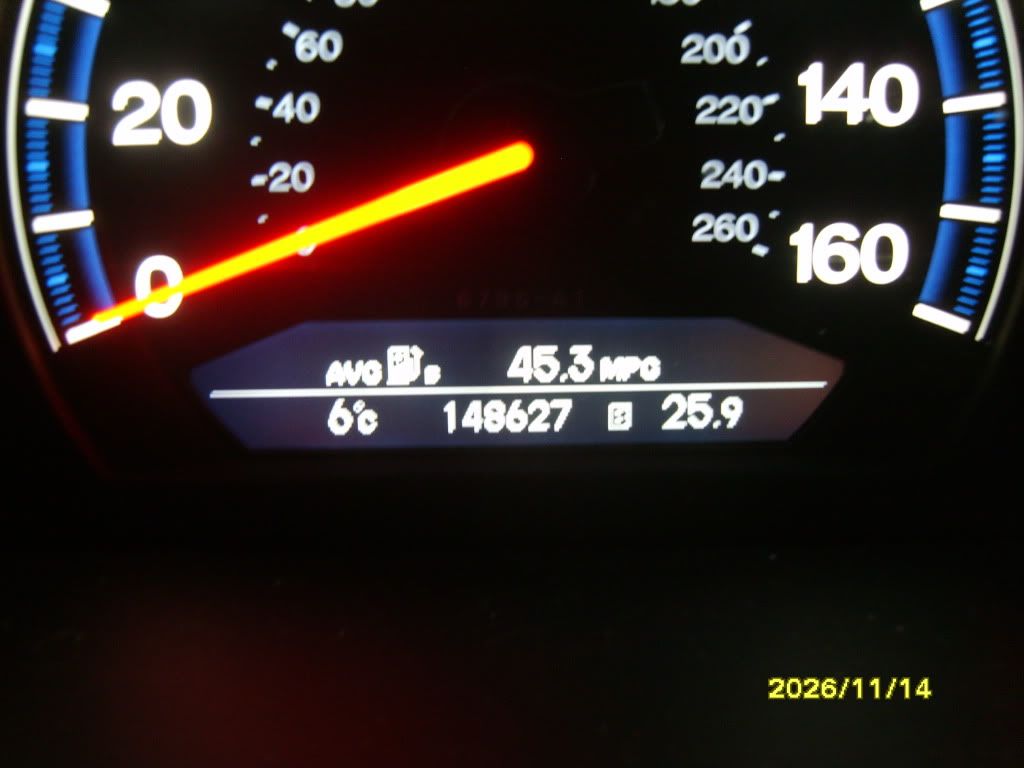
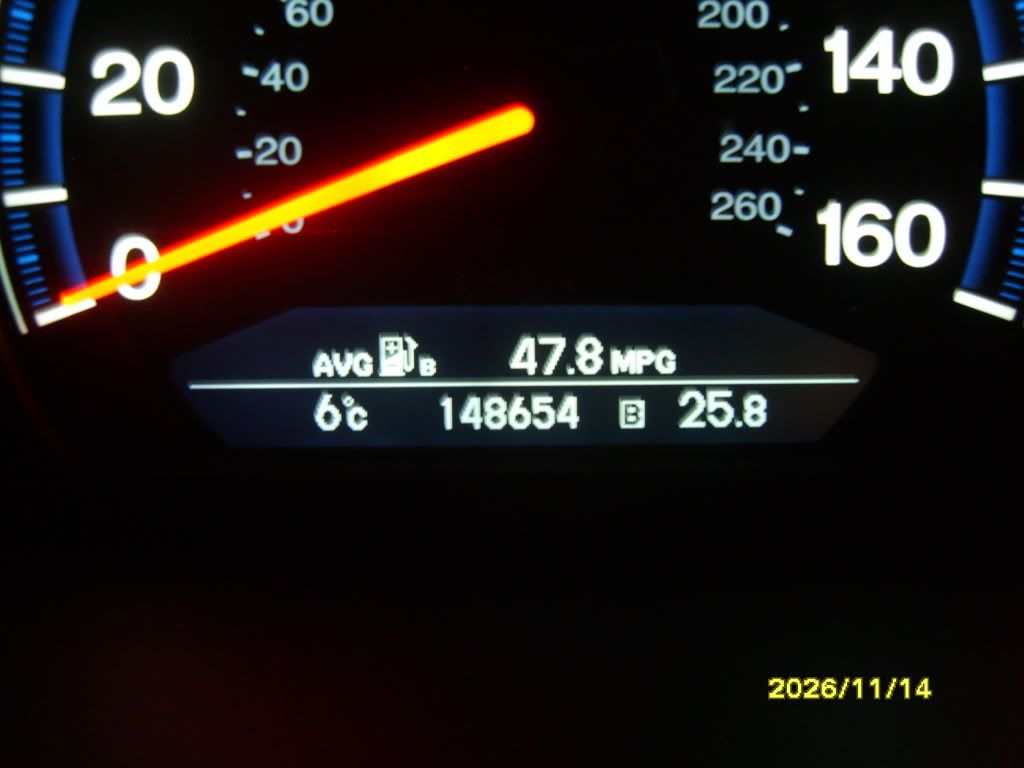
IMO the weight difference is about as trivial as the difference in rolling radius, as 20kg extra on a, say, 1500kg (loaded) vehicle is only just over 1% (so much less than the difference between an empty and full fuel tank). But these two factors will obviously combine to form a larger factor and then, if you also add a bit for increased friction from the wider tyres, you're starting to explain the difference in MPG... however, calculated MPG figures over these relatively short distances will be inaccurate (to several %, I'm guessing)... your 'trials' will also be affected by differences in head/tail winds as well as air pressure and temperature (again to several %). But I understand your interest in resolving this issue.
Come on Freddofrog... where are you???
I'm here Jon, I decided to take a break for a bit. I agree with what you say, totally.
Rolling resistance: it's basically the flexing of the tyre walls, and the action of the rubber compound on the surface in question. If you changed a "light" wheel to a "heavier" wheel of the same size, and put the same tyres onto the "heavier" wheel, the effect on rolling resistance would be the same as keeping the tyres on the "light" wheel and adding a bit of weight to the rear seats of the car. Stevearcade said this in the previous thread. Say you add a couple of young kids, one to each rear seat, you're not adding much to the 1500 kg weight of the car, so you'd hardly expect much change in mpg.
Acceleration: likewise for change in momentum, the extra weight of a couple of young kids, relative to the 1500 kg weight of the car, will hardly affect the engine.
Tyre width: this is also part of rolling resistance. You will find some people who say extra width affects rolling resisitance, some who say it won't. I can't see how extra width affects rolling resistance to such an extent that you'd notice a change in mpg.
Wall profile: this can obviously affect the rolling resistance. But one can argue that a lower profile has a stiffer wall, so it should have less rolling resistance. But I searched on the internet and saw some people say the opposite. This would be a good one for Mythbusters.
Tyre pressure: this has a massive effect on rolling resistance. Full stop. So changing a wheel size and a tyre profile and tyre compound, in combination you need to think about the relative tyre pressure from previous to replacement.
Tyre compound: as with tyre pressure, has a big effect. Changing a wheel size and a tyre profile and tyre compound, in combination you need to think about the difference in tyre compound. Ask the manufacturers for some details as to the energy efficiency of the tyre compound, this will be coming into effect soon with a green through to red rating for each make and typre of tyre. There was a thread somewhere on this forum about this new proposed rating system.
Finally ....one thing that was alluded to in the previous thread ....cornering and slip angle. If your new bigger wheel with lower profile tyres grips more, then you are likely to go faster round corners without realising. Faster cornering = hotter tyres. Hotter tyre means loss of energy. So although one is going round a corner faster and hence maintaing momentum, it's arguable that the result is actually a nett loss of energy. So on a twisty bumpy country lane, I would expect the a low profile tyre, given that it can grip better, will provoke a driver into less conservative driving style. Maybe another one for Mythbusters.
Overall the only way to compare would be to:
1. make sure that tyre pressures on each set of wheels are set properly
2. drive for several weeks on each set to get a long comparison
3. hope that in those periods the weather was similar
4. have some onboard instrumentation that could be used to prove no sub-conscious change in driving style
I hope I haven't left anything out this time, sorry if it reads like a lecture, it's the sort of email I send to my lads sometimes about certain lifestyle things I'm aware of :lol:
EDIT: I forgot ..tyre compound ... added it above

 Please don't close this topic Mod's - and please everyone no arguing